The Evolution of the Multiplier Gate: Math as a Mechanic
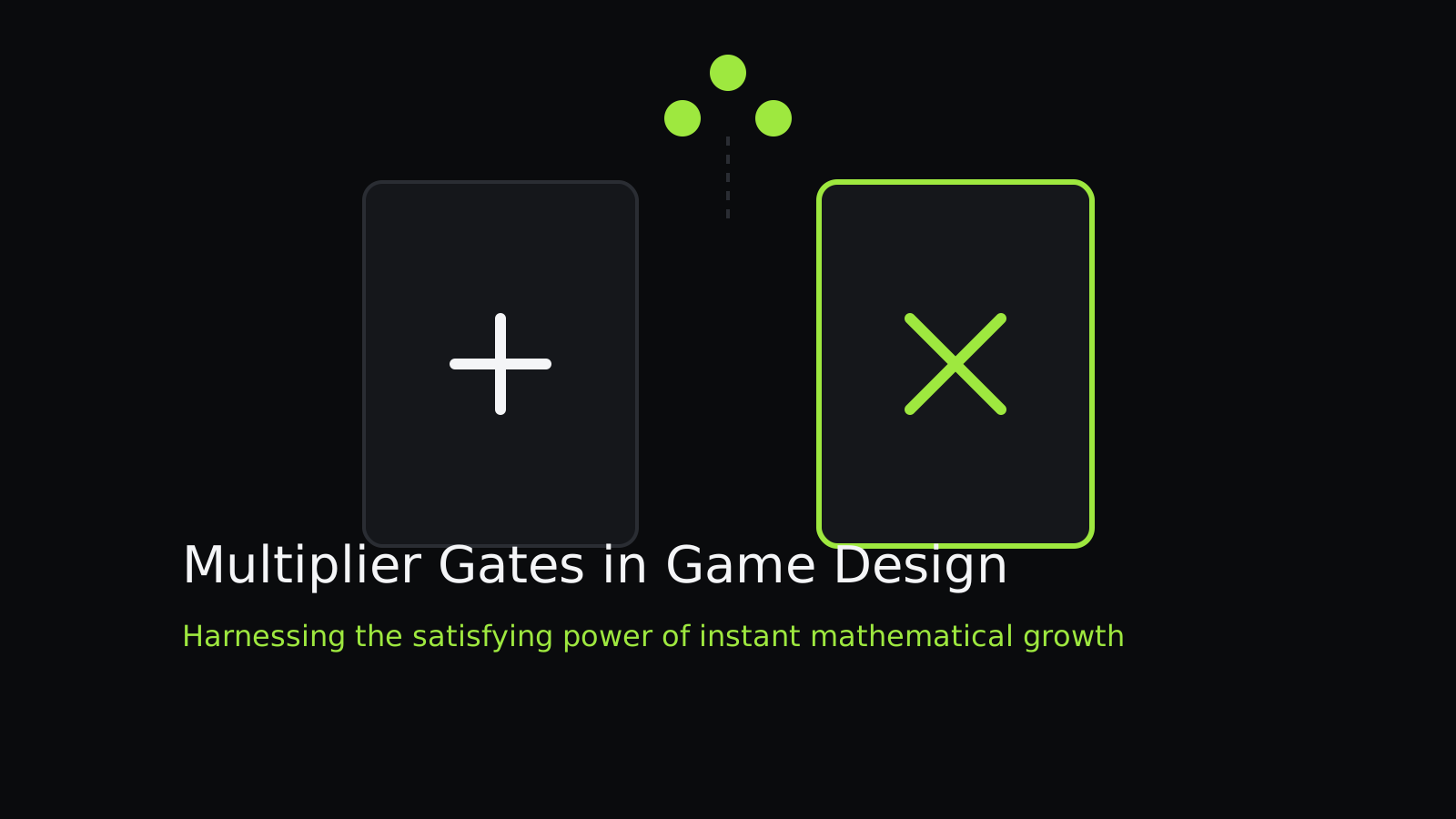
Explore how simple mathematical gates became a staple of hyper-casual runners and why they provide such a satisfying loop of instant gratification and growth.
6 min read

Mobile gaming trends, design breakdowns, and notes from building Plarmes, published most days.
Explore how simple mathematical gates became a staple of hyper-casual runners and why they provide such a satisfying loop of instant gratification and growth.
6 min read
Learn how to implement stickers, skins, and item galleries to increase player lifetime value and session frequency in hyper-casual mobile titles.
6 min read
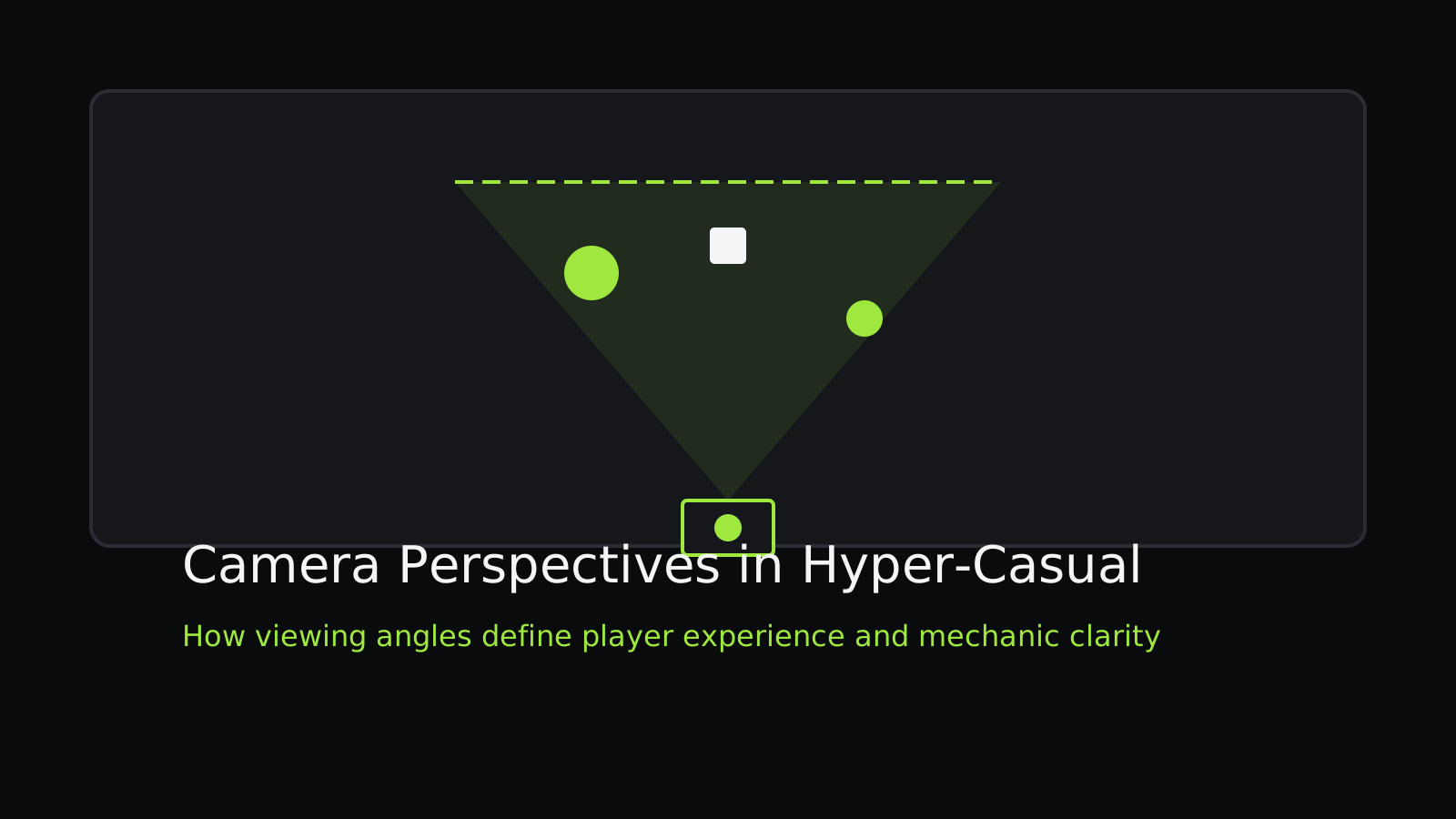
Learn how to optimize camera angles, field of view, and perspective shifts to enhance readability and player engagement in hyper-casual mobile titles.
7 min read
Explore the strategic trade-offs between procedural generation and hand-crafted levels in hyper-casual games to maximize player retention and replayability.
6 min read
Discover how strategic sound effects and audio feedback loops can significantly improve player retention and satisfaction in hyper-casual mobile games.
5 min read
Explore how narrative and contextual storytelling can improve retention and lower CPI in hyper-casual games without overcomplicating the core loop.
5 min read
Learn how to validate hyper-casual game ideas using marketability testing to reduce development risk and identify high-potential hooks before full production.
5 min read
Explore how physics-based mechanics enhance player retention by creating unpredictable, emergent gameplay and satisfying mobile experiences.
6 min read
Discover how haptic feedback transforms hyper-casual games from simple visual experiences into tactile, immersive masterpieces that boost player retention.
6 min read
Explore how well-designed fail states in hyper-casual games can reduce player frustration and increase retention through one-more-try psychology.
7 min read
How metagame layers like collection systems and base building turn hyper-casual retention from short bursts into long-term engagement.
7 min read
Learn why a minimalist user interface is essential for hyper-casual success, focusing on cognitive load, the squint test, and visual hierarchy.
6 min read
Explore the art of game juice in hyper-casual design: using particles, screen shake, and haptics for satisfying, high-retention gameplay.
8 min read
Learn how to optimize the critical first 30 seconds of your hyper-casual game to reduce early churn and maximize player retention through seamless onboarding.
6 min read
Hyper-casual games are borrowing puzzle ideas to hold players longer. Here is why the mix of quick taps and small logic problems is working.
2 min read
Why one-tap and one-thumb controls are harder to design than they look, and the habits that keep a simple control scheme from feeling shallow.
2 min read
From stacking physics to one-tap timing, these five core mechanics explain why certain hyper-casual games stay on players' phones for months instead of days.
3 min read
A practical checklist for designing a hyper-casual app icon that reads at home-screen size, stands out in search, and says what the game is.
2 min read
A starter guide to app store optimization for hyper-casual games: keywords, titles, screenshots, and the metadata choices that help players find a game.
2 min read
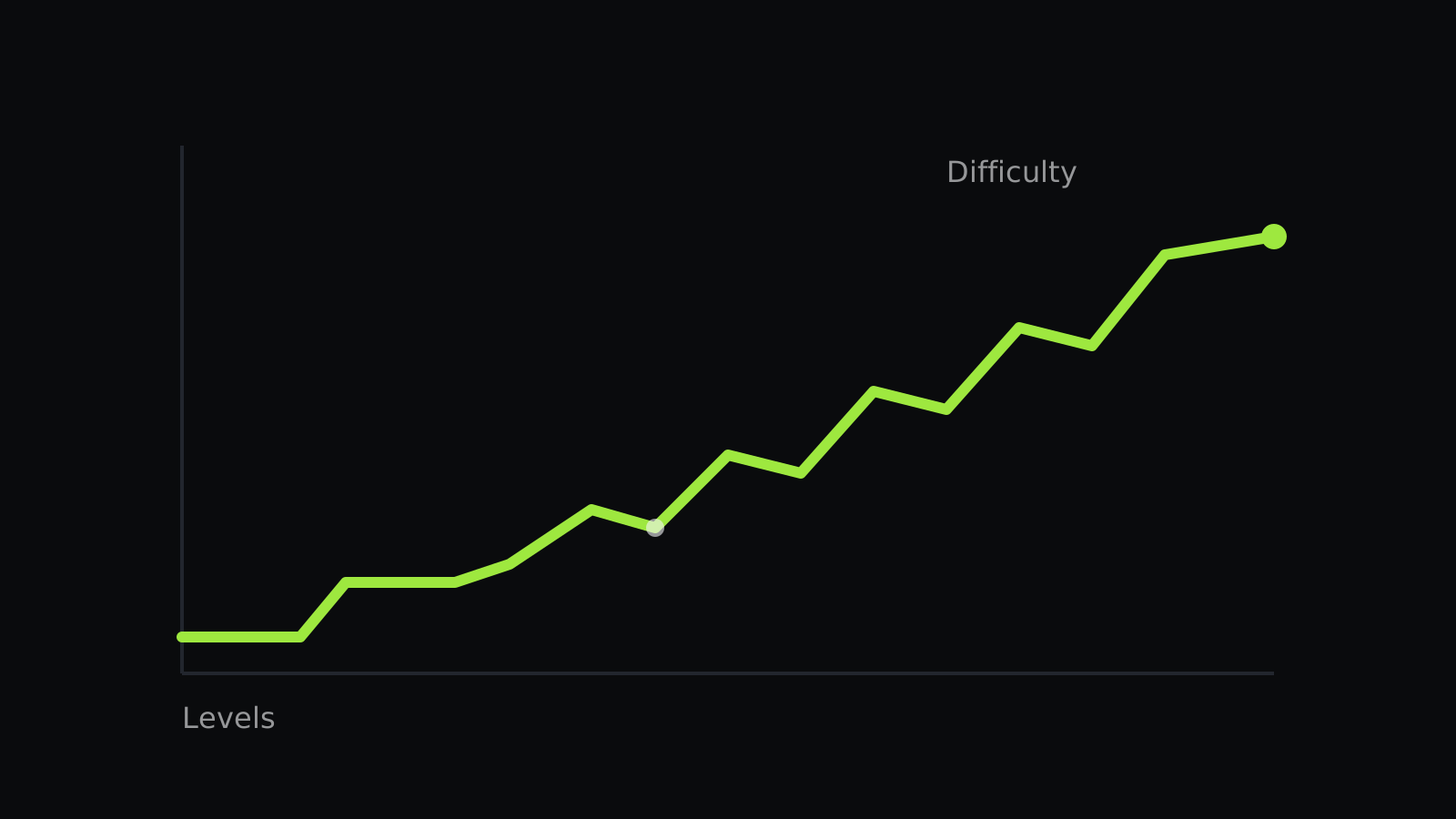
How difficulty curves work in hyper-casual games, why sudden spikes make players quit, and how to pace new rules so each level feels earned.
2 min read
Session lengths, install sources, and the moments players open a game have shifted over two years. Here is what it means for hyper-casual studios.
2 min read
How hyper-casual games can earn revenue through ads and optional purchases without blocking progress or tricking players.
2 min read
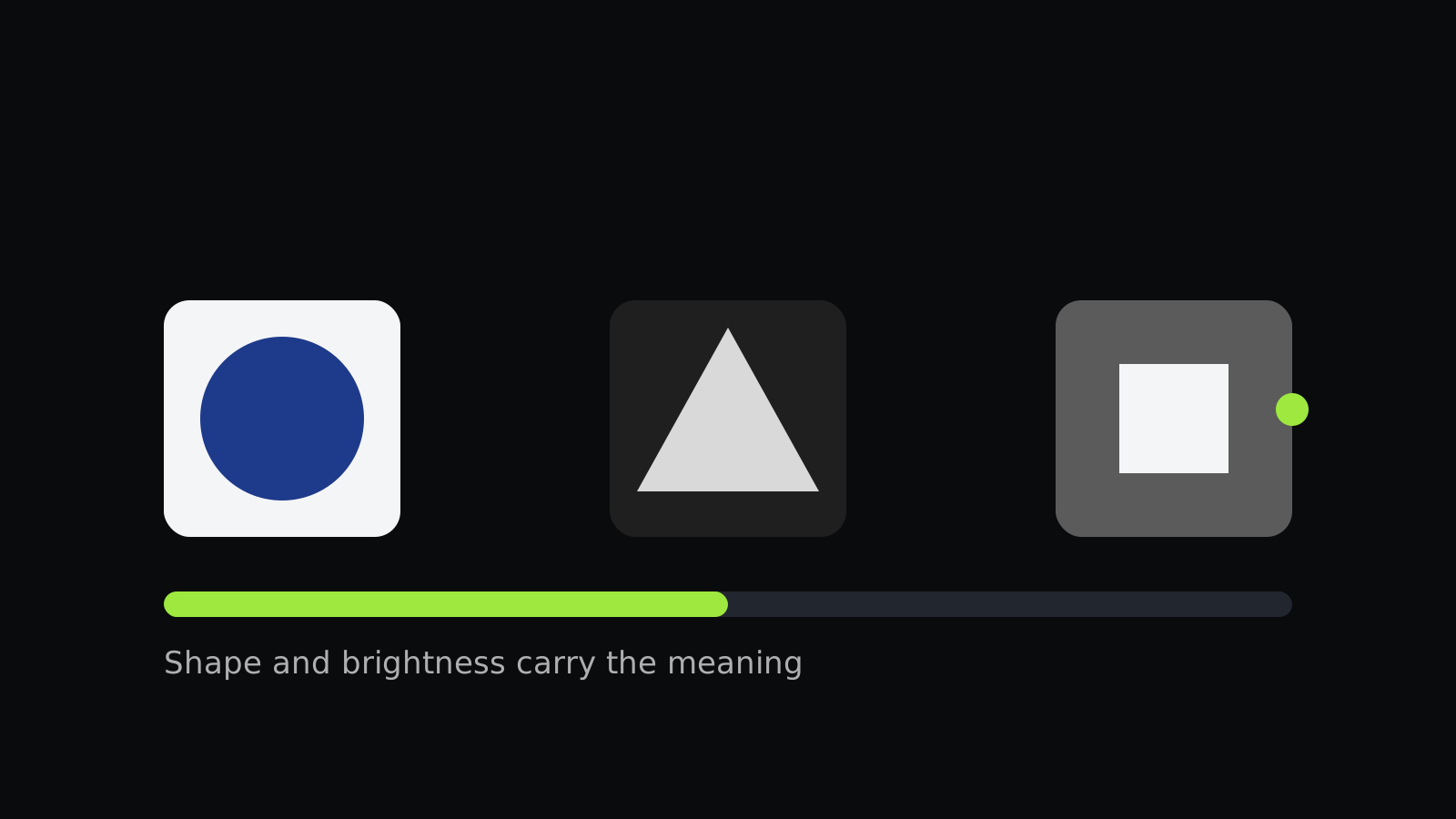
How to make color-based hyper-casual games readable for colorblind players by pairing color with shape, pattern, and brightness.
2 min read
How timers change player behavior in mobile games, and why a countdown that raises the stakes can feel better than one that ends the run.
2 min read